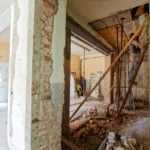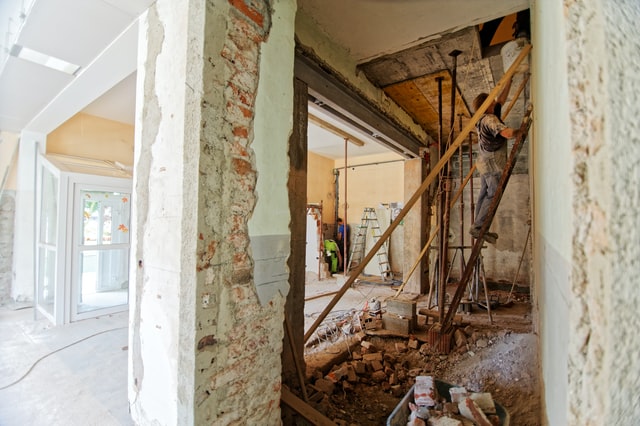
At Paul’s Cleaning (Melbourne) Company, we know that most projects, be it light remodelling or heavy construction, leave behind a ton of dust, dirt, drywall, various debris, and more. The biggest mistake one can make during the process is how to clean the dust after the renovation.
Dust and fine particles are a primary focus of our professional post-renovation cleaning service, as most building materials pose significant risks of respiratory issues and toxic exposure, which are extremely dangerous to children. That is the best way to dust post construction cleaning.
Controlling how fine particles spread starts from the beginning of the job, and it’s something you or your landlord needs to monitor at all times.
Excessive dust accumulation is harmful to your property, as it makes cleaning rooms extremely difficult, and you may wonder how to clean flat roof windows or any other type. Tiny toxic debris could stay around for good. If you breathe in construction dust, it can cause asthma, lung cancer, chronic obstructive pulmonary disease, and a lot more.
Taking preventive actions is a lifesaver! Literally.
So, what is the best way to post construction cleaning? Here are some of our expert post-construction cleaning tips to help you cleanse your property from builder debris:
Before you start construction works
Prepare the site so that dust is easier to clean after construction works or renovation.
Protect your floors from dust
You have a choice for floor protection, depending on the type:
- Carpeting is especially prone to dust damage during remodels because small particles can easily get stuck to the soft fabrics and settle into the padding for good.
- Wooden floors can also sustain damage during renovations, and they scratch easily from minor debris when you drag heavy objects around.
Read:
- Simple Bathroom Remodelling Ideas that Are Worth Trying
- Tricks for Surviving Your Major Kitchen Remodelling
- Cosy Bedroom Design Ideas To Refresh Your Mood
How to clean construction dust from wood floors?
The best way is to invest your time and effort in quality floor care, including plastic covering, sticky mats and corrugated plastic for areas with heavy traffic. If you cannot protect, mop, or opt for specialised hard floor cleaning after the builders are done.
Cover or remove your belongings
We, Paul’s Cleaning (Melbourne) Company, rarely insure possessions against damage during renovation works. The best way to protect your belongings is to remove them from the construction area, especially if the items are personal or expensive.
If there’s furniture you cannot move, cover it with plastic sheeting and avoid dropping heavy items on top.
Seal your ducts
Fine dust particles can find their way into all kinds of small crevices, settling there and contaminating the air for prolonged periods. Sealing return ducts prevents them from getting into the HVAC system, which can then spread throughout your entire home, no matter the house size.
By covering all the vents in the renovated property, you protect the airflow around the house and prevent your furnace filter from clogging after the newly completed property improvements.
Isolate the work area
Don’t let the dust spread into areas you don’t plan to renovate.
Sometimes it’s impossible to simply close a door and contain renovation debris in one room. If you’re renovating an open kitchen or stairwell, chances are the dust will spread everywhere. Fortunately, most home improvement stores sell plastic dust barriers you can attach to the walls and seal off areas from the rest of the house.â€
Read: How to Clean a Kitchen That Hasn’t Been Cleaned in a Month
The best way is to ensure there’s a single entry point to the construction works and ask your contractors to carry out the messiest jobs outside wherever possible.
Prepare the cleaning gear
There are a few cleaning items you will find necessary during the process. Construction work generates a lot of dust and dirt, so it’s natural to wipe or vacuum in between sawing and hammering.
Here’s a list of the items you’ll need in your construction cleaning toolkit:
- A powerful vacuum + extra filters.
- A broom.
- A mop.
- Old towels for bigger messes.
- Soft towels for gentle surfaces.
- All-purpose cleaner.
- Wood polish.
- Face masks and gloves.
- A bucket for water or detergent.
How to clean post-construction dust from walls
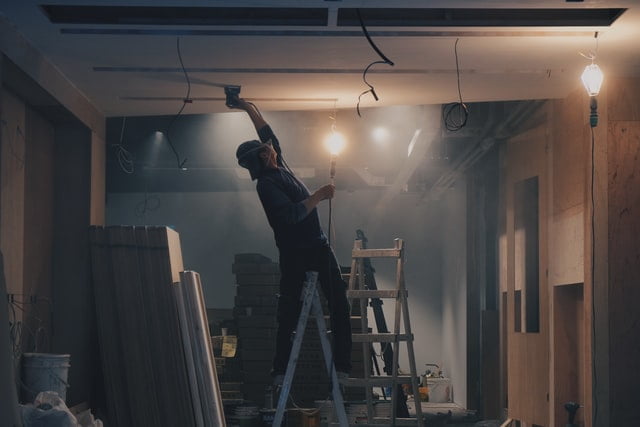
Clean dust on unpainted walls
It’s best to clean walls before painting, as debris and dust can compromise the paint job.
Make sure all the furniture is properly covered before you proceed.
- Use a broom to displace the bigger dust deposits.
- Use a vacuum cleaner to gather all the dust from the walls and the floors. You might have to repeat these steps because dust disperses in the air and then settles down.
- After that, you can optionally wash the walls, but it’s not mandatory since the place is new, the walls are not painted, and the paint can cover any minor stains.
- Use soapy water and a soft towel if you decide to wash.
- Start at the top of the wall and work your way down; this way, you won’t miss any spots or leave stains.
- Leave the walls to dry completely before painting.
Clean dust on painted walls
If your walls are freshly painted, which is the usual case with renovation work, you will have to wait for them to dry completely before you can clean them of the dust. In this case, it’s not recommended to use a broom, as it can damage the paint’s integrity. Use a vacuum and avoid touching the wall surface.
If there’s too much dust left after vacuuming, you can use plain warm water or slightly soapy water to wash away the remaining dirt. You can use a soft sponge or a towel to wipe them clean.
Read: How to clean paint off the carpet
Clean dust on wallpapered walls
Cleaning dust from wallpapered walls is quite simple. The only difficulty you might encounter is if the wallpaper is embossed. The relief can trap dust, making it very difficult to clean. You’ll need to spend more time with the broom.
- First, use the broom or a brush to remove the dust lodged in the wallpaper.
- Then use a vacuum to clear out the walls and gather the dust you just stirred up. If the room is large, you can work in sections to ensure every part of the wallpaper is properly cared for.
- After that, you can wash the walls with some warm water and a soft towel if you still feel they’re dirty.
- Provide the room with good ventilation and thus speed the drying process.
Clean wooden walls
Wooden walls are quite durable, but you need to protect the varnish, as it protects the otherwise gentle surface.
- Start by dusting with a broom or a vacuum cleaner brush attachment.
- Use small amounts of warm, soapy water and a gentle cloth to remove the remaining residue from the walls.
- Add a mild supplement to make the wood shinier and healthier-looking.
How to remove post-construction dust from flooring
Dust in carpets and rugs
Dust on carpeted areas can be a real scourge during post renovation cleaning.
- Don’t add water to the mix under any circumstances, because it worsens the situation and makes it impossible to repair.
- Vacuuming and hot-water extraction are the only things that can save a carpet. Water mixed with construction dust will turn into mud that eventually sticks to the carpet padding and destroys it.
- Use a strong vacuum cleaner with a new filter to ensure efficient airflow.
- You can use an upholstery attachment with a brush; it will pick up the dust, and the vacuum will gather it much more easily.
- Set the vacuum to the highest suction option and vacuum through the entire carpet twice.
There’s a quick test to determine if there’s still dust on the carpet: jump up and down. If there are no dust clouds coming up, you’re probably good to go.
Consider our professional carpet cleaning service for outstanding results.
How to clean hardwood floors after construction
Hardwood floors scratch all the time during remodels, so you need to proceed gently, and dusting floors is the first step when cleaning construction dust from wood floors. Many vacuum cleaner attachments can be harsh on surfaces, so use a broom or a soft-bristle attachment.
Once the dust is gone, proceed to:
- Mop the floor with a soft towel and plain warm water.
- Leave it to dry, then polish the entire floor with a suitable wood polish.
The polisher will leave the floor sparkling, and the dust won’t stick to it, which is a double win.
How to clean laminate floors
Laminate flooring is one of the most durable flooring options on the market, so it can withstand some dust and dirt during your home improvement efforts. Therefore, you can try various methods to clean it without worrying about damage.
We recommend the following steps, similar to cleaning hardwood floors:
- Dust and sweep first, then mop.
- Use the vacuum to dust, but be careful with the attachments again; the soft brush is still the best choice.
- Use warm water with a soft cleanser to mop the floor clean.
- After that, just dry with a soft towel to avoid any marks.
How to clean tile floors
Many surfaces around the house are tiled, including bathrooms, kitchen splashbacks, and the kitchen floor. Many people think that pouring water on the tiles is enough to remove construction dust, but this is a common misconception because dust can get lodged in the grout and harden.
- The first thing you need to do is vacuum the floor or wall.
- Fill a bucket with warm water and a mild tile cleaner, and wipe the surface with a microfiber mop or cloth.
- Wipe and buff the tiles with a dry microfiber cloth for a shiny finish.
- Avoid using sponges, because they are porous and can miss some dirt.
- Use circular motion when cleaning tiles to prevent dust from accumulating in the tracks and grout.
Consider professional tile and grout cleaning.
Essential post construction cleaning FAQ: Mastering the dust after renovation
How to Clean Post Construction Dust?
How to Detox from Construction Dust?
How Long Does Construction Dust Stay in the Air?
Post construction cleaning, wrap up
Renovation and construction dust left behind is hazardous to health, and the best way to manage it is through thorough after builders cleaning. It’s hefty, it takes time, gear, and attention to detail, but it’s something you should absolutely not neglect.
Follow our post construction cleaning tips for a hazard free home, and contact us today