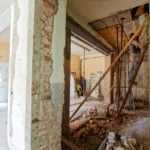
As a landlord, you are the owner of the property, and you need to ensure that the property you are leasing out to a tenant is in excellent condition and safe for your tenant.
At Paul’s Cleaning Company (Melbourne), we know that owning a property can be problematic at times. Understanding the responsibilities of both the tenant and the landlord can leave a feeling of confusion if the person in charge is inexperienced in owning and renting out properties.

To make the process a little easier, here are the basic landlord responsibilities you need to be aware of so you can enjoy a smooth tenancy with individuals who rent your property.
What do landlord responsibilities need to know?
Keeping maintenance and repairs under control, paying for the outgoings of the property, and ensuring the building and structure are safe are essential parts of ownership and being a landlord.
If you are remodelling the bathroom or kitchen of your property, for example, always ensure you use a licensed and insured plumber, and that insurance covers all work to protect your tenants and your investment.
When you are carrying out a remodelling job or are interested in room soundproofing, you also need to ensure that you remove any hard waste from the rental property with a waste removal service, to ensure the safety of your tenants. As an owner, removing any waste from a renovation is your responsibility.
Based on the state you live in, you will need to be aware of any taxes and utilities. Also, ongoing repairs and maintenance, such as blocked drains and leaking taps, should be attended to by a licensed plumber.
What is tenancy legislation?
Landlord and tenant issues are governed by each state’s Residential Tenancies Act (RTA).
Here you can view each state and territory act below to view the rights of landlords and tenants when it comes to plumbing specifically.
Each state and territory has its own outline of rules and responsibilities for landlords and tenants; these will be provided upon signing a tenancy agreement and are available to view to confirm who is responsible.
- Australian Capital Territory: Residential Tenancies ACT 1997
- New South Wales: Residential Tenancies Act 1987
- Northern Territory: Residential Tenancies Act 1999
- Queensland: Residential Tenancies Act 1994
- South Australia: Residential Tenancies Act 1995
- Tasmania: Residential Tenancy Act 1997
- Victoria: Residential Tenancies Act 1997
- Western Australia: Residential Tenancies Act 1987
As a guide, for NSW, the Act outlines that the lease to:
- Provide the premises in a reasonably clean state and fit for you to live in, unlike kitchens not cleaned for a month.
- Provide & maintain the premises in reasonable repair, even if they told you about any disrepair before you moved in.
- Make any repairs referred to in the original condition report.
Regarding the professional end of lease cleaning, that comes down to the contract.
Responsibilities to tenants
Landlords should refer to their state requirements or Department of Fair Trading to have an up to date list of the responsibilities of landlords so that tenants are safe and the rental is maintained, insurance is valid, and tenants are protected if the owning a property is damaged by water, fire, or there is an emergency that is out of the tenant’s control of the tenant.
Obligations for landlords include:
- Maintaining the structure and exterior of the house.
- Ensuring all ‘installations’ are working, such as gas, electricity, and heating.
- Installation, appliance maintenance, and safety. Please note: This only applies to landlord-owned appliances.
- Treat potentially health-threatening issues such as rising dampness.
- Anything else that’s stipulated in the tenancy agreement?
- General wear and tear, such as fading, flaking, and the chipping of paint.
Not that when it comes to bond cleaning at the end of the lease, it is up to the tenant unless the tenancy agreement states otherwise. This also includes valeting the oven, carpet cleaning, upholstery & drapery care, and looking after tile & grout sanitisation for both bathroom and pool tiles hygiene.
You can check specific state and territory requirements by searching for your state tenancy authority. Negligent landlords can be fined in the event of injury or damage that is caused to a tenant or the public that is a direct result of the landlord neglecting their responsibilities, so it is important to be aware of the regulations and rights of the tenant.
It is fair to say that it can be a minefield for landlords when investing in property, and understanding your landlord responsibilities is key to a smooth and successful tenancy. To find out more about your rights and responsibilities, be sure to check in with your state authority or department of fair trading to understand your obligations as a landlord.
Do tenant rights apply to plumbing?
This includes basic upgrades to bathrooms and kitchens as needed, repairs, maintenance, and basic upkeep for leaking taps, blocked toilets, and issues due to wear and tear.
In the case whereby a tenant blocks or clogs a toilet or drain due to misuse, they are responsible for the repair or maintenance.
While basic repairs and maintenance are covered by the owner or landlord, if tenants are not taking care of the property and things such as food or hair are getting in the drains and blocking them, this is the tenant’s responsibility.
In the case where the tenant may have been responsible for the blockage to plumbing or similar, the tenant will need to call out and cover the costs of the plumber.
The landlord and tenancy agreement will outline the local preferred plumbing supplier, allowing you to use a respected and licensed plumber who has the approved trust of the landlord or leasing agent.
It is also important to know that tenants should use a licensed plumber who is insured. That’s because, if a dispute or incident occurs, it could cause unwanted problems for the tenant.
Basic plumbing repairs at the end of the day are the landlord’s responsibility; however, if the tenant is not careful and there is a plumbing problem that is assessed to be caused by misuse, then the tenant can be deemed responsible.
Also, if the landlord is renovating a rental property, then the landlord’s responsibilities include providing at least 60 days’ notice.
Frequently asked questions
What are the landlord responsibilities in Australia?
What is the most important responsibility of a landlord?
What is the landlord responsible for maintaining?
What is the 1% rule in property?
Landlord responsibilities: A sum-up
Whether it is plumbing or any type of repair or maintenance, landlords have landlord responsibilities, as do tenants with a rental property.
Clogged drains and broken toilets are not the responsibility of a tenant, but if there is serious and malicious damage to the property that is outside the usual wear and tear of the building or structure, this can often fall into the tenant’s court.
While each and every case is unique, whether it is the landlord or the tenant, both parties need to be aware of their responsibilities.